
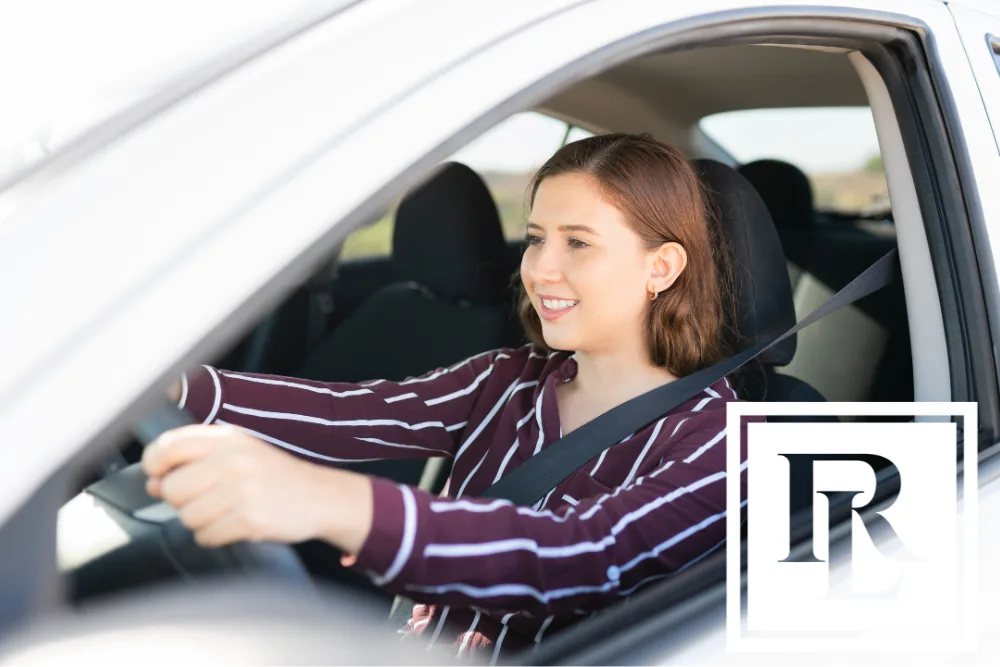

Why Do Teen Drivers Face a Higher Crash Risk?
While anyone can cause an accident, teens tend to be at higher risk — not just because of inexperience, but because their brains are still developing. A review by the Children’s Hospital of Philadelphia found that working memory plays a big role in teen driving safety. Teens with lower working memory reported more crashes and tickets. They also had more instances of distracted driving and showed weaker skills in spotting hazards and staying in their lane during simulated driving tests.
Interestingly, more working memory doesn’t automatically make teens safer. The same review found that teens with higher working memory were more likely to run red lights and take other risks. This may be because their confidence in handling tricky situations led them to overestimate their skills.
Social pressure plays a role too. Teens often want to look “cool” to their peers. Behind the wheel, this can lead to speeding, not wearing a seat belt, and getting distracted by music, phones, or friends. Any one of these alone can raise a teen driver’s risk of an accident, but combining all three can be far more dangerous.
7 Teen Driving Safety Tips to Help Prevent Accidents
Tip #1: Buckle Up and Stay Within Speed Limits
Seat belts are essential for safety. They help slow your body down as the car slows, spread out the force of a crash instead of letting it hit one small area, keep you from being thrown from the vehicle, and hold you in the right position for airbags to work properly. Parents should talk with their teen about seat belt use and why it matters, including how to wear one correctly:
- The lap belt should be flat across hip bones and upper thighs.
- The shoulder strap should be centered on the chest, away from the neck.
- The shoulder strap should never be under the arm or behind the back.
Parents should also review local speed limits with their teen drivers and remind them why it matters to stay within those limits.
Tip #2: Put the Phone Away and Limit Distractions
Phones, passengers, and poor planning are three of the biggest distractions for teen drivers. No driver can safely split their attention between the road and a phone, but the consequences can be much worse for teens who are still learning safe habits. It doesn’t even have to be the teen driver’s own phone that distracts them. A passenger who shares or takes videos or photos, or uses their own phone, can also distract the driver. Talking, roughhousing, and showing off can all lead to deadly accidents as well.
Parents should talk about what to do with a phone while driving, how loud music can be, and when and how to use a navigation system. Set clear rules for what is and isn’t okay in the car, both for your teen and for any friends riding along.
Tip #3: Plan Every Trip Ahead of Time
Poor planning adds to the risks of distracted driving. A teen who leaves late or without a clear idea of where they’re going may speed, get lost, or make sudden, panicked lane changes while fumbling with a navigation app.
Encourage your teen to plan ahead instead: know the route to and from school, work, and other common stops, how long each trip should take, and a backup route in case of road work or accidents.
Tip #4: Follow Passenger Limits
Graduated Driver Licensing (GDL) is a system that gradually increases teen driving privileges as they gain experience. It starts with a learner’s permit, which requires adult supervision and a minimum number of driving hours. Next comes a provisional license, which limits nighttime driving and the number of passengers. Once a teen meets all the requirements, they earn a full, unrestricted license.
Passenger limits are an important part of this system. Limiting the number of passengers allows new drivers to master basic driving skills before dealing with the noise and distraction passengers can add. It can also reduce teens’ influence on each other, lowering the chance of impulsive, poor decisions made to impress someone else.
Each state has its own passenger limits, so parents should check their state’s laws. For example, in Rhode Island, teens with provisional licenses can carry only one passenger under 21 during the first year. However, Massachusetts law says that teens with Junior Operator licenses cannot carry any passengers under 18 for the first six months. Many states also limit driving hours, which you may want to review with your teen too.
Tip #5: Avoid Drowsy and Night Driving
Teens’ schedules are filled with school, after-school sports and activities, jobs, homework, and family and friend obligations. This means they’re often exhausted. Combine this lack of sleep with little experience and limited driving skills, and you have a recipe for a serious accident.
Teen motorists can experience:
- Slower reaction times
- Duller reflexes
- Microsleeps (brief, unintended moments of falling asleep)
- Reduced awareness of road signs, signals, and other cars
- Trouble staying in their lane, causing drifting or hitting rumble strips
This risk can be reduced by:
- Ensuring your teen gets 8 to 10 hours of sleep every night
- Giving your teen a curfew that prevents them from driving late at night or early in the morning
- Checking medications your teen takes for side effects such as drowsiness or slowed or dulled reflexes
- Encouraging your teen to call you for a ride if they feel too tired to drive
Tip #6: Never Drive Impaired
The Children’s Hospital of Philadelphia shows that teens are less likely to drive while impaired than adults. But when they do, their crash risk is much higher than an adult’s.
Parents should explain that alcohol, illegal drugs, prescription drugs, and over-the-counter medications can all cause impairment. Even severe tiredness or strong emotions can affect a person’s ability to drive safely. Review the signs of impairment with your teen so they know what to look for. Signs of impairment can include:
- Slowed Reactions: Taking longer than normal to process information, talk, or move.
- Coordination Issues: Stumbling, trouble balancing, clumsy hand-eye coordination.
- Vision or Focus Troubles: Glassy or red eyes, pupils that are too big or too small, or complaints of blurry vision.
- Substance Traces: The smell of alcohol or marijuana, chemical odors, or drug equipment, prescription bottles, or illegal substances.
- Extreme Fatigue: Constant yawning, heavy eyelids, or nodding off. These can look like signs of drunk driving.
- Mood Swings: Intense anger, extreme excitement, or aggressive behavior can all affect decision-making and attention.
- Trouble With Simple Tasks: Trouble using the radio, GPS, seat belt, or other basic vehicle controls.
Talking about these risks regularly builds trust and makes teens more likely to call a parent or trusted adult when they need a ride. Make it clear that they can always call, no questions asked, whether they’re impaired or someone else is. Just keep those conversations separate from talks about drugs or alcohol, so teens don’t hesitate to ask for help when it matters most.
Tip #7: Set Parent Expectations and Practice Safe Habits
Before school starts, and regularly throughout the year, you should also remind your teen driver of your expectations and help them practice safe driving habits. Some of the habits and expectations you may want to review with your teen driver from time to time include:
- Driving in different weather conditions
- Reviewing vehicle maintenance (such as fueling, checking oil, etc.)
- Handling common emergencies (such as changing a tire or dealing with brake or steering failure)
- What to say and do after a car accident
- Any location-sharing or tracking apps or devices on the teen’s phone or vehicle
A Pre-Drive Vehicle Checklist for Teen Driver Safety
Cabin and Controls
Before driving, teens should check the following inside the car:
- Seats: Adjust the seat so they can comfortably press the pedals all the way down with a slight bend in their knee and can easily hold the steering wheel.
- Headrests: Adjust the headrest so it sits comfortably against the back of their head.
- Mirrors and Cameras: Adjust the rearview mirror and both side mirrors to minimize blind spots, and make sure any backup or dash cams are working.
- Seat Belts: Make sure all passengers are buckled up correctly. If a seat belt doesn’t work, move that passenger to another seat. Don’t drive if anyone, including the driver, can’t use a seat belt.
- Phones: Teen drivers should turn on Do Not Disturb or put their phone out of reach, such as in a purse, backpack, or glove compartment, before driving. For added safety, encourage your teen to ask their friends to do the same when riding in the car.
Dashboard and Visibility
Parents should review dashboard warning lights with their teen driver, making sure they understand which lights just give information and which ones can mean trouble. They should also talk about what to do if a warning light comes on while driving. Before each drive, teens should:
- Start the engine and verify that the ABS, airbag, and check engine lights all come on and turn off properly.
- Look for other lights that may be on and confirm their meaning.
- Check the fuel gauge to ensure there is enough fuel for the planned drive.
- Test the windshield wipers and defrosters to make sure they work in case the weather calls for them.
- Adjust interior climate controls to a comfortable temperature.
- Enter the destination into any navigation app before driving, and turn on step-by-step voice directions so you don’t need to check the map while driving.
External Walkaround
Teens should take a moment to walk around the car and visually inspect it. They should look for:
- Properly inflated tires that aren’t bald or otherwise damaged
- Properly functioning headlights, taillights, and turn signals
- New or worsening damage to the exterior
- A driving path clear of obstacles, including toys, pets, and children
Routine Checks
Parents may also want to check in regularly with their teen and the vehicle. This can include:
- Getting the vehicle checked for mechanical issues to lower the chances of an accident or a sudden breakdown that could cause your teen to panic
- Reviewing the route to and from common destinations together, including timing and backup routes
- Confirming your teen knows and agrees to your household rules on passengers, phone use, and curfews
- Walking through what to do after an accident or in an emergency, so they aren’t figuring it out for the first time under stress
- Buying or renewing a AAA or other roadside assistance membership, so your teen is covered even if you can’t get to them right away
Give Your Teen Driver a Safe Start to a Lifelong Driving Adventure
New teen drivers are always excited to hit the road, and their parents are both eager and anxious about letting them do so. By using these safety tips, parents can help their newest driver stay as safe as possible on the road. But if the worst happens, we’re here to help.
If your teen or another family driver has been injured in an accident, Rob Levine Law is ready to assist. We’ll review your case, gather evidence, handle communication with the insurance company, and take the necessary steps to secure the compensation you deserve. Contact our office today to learn about your legal rights, options, and how we can support you.