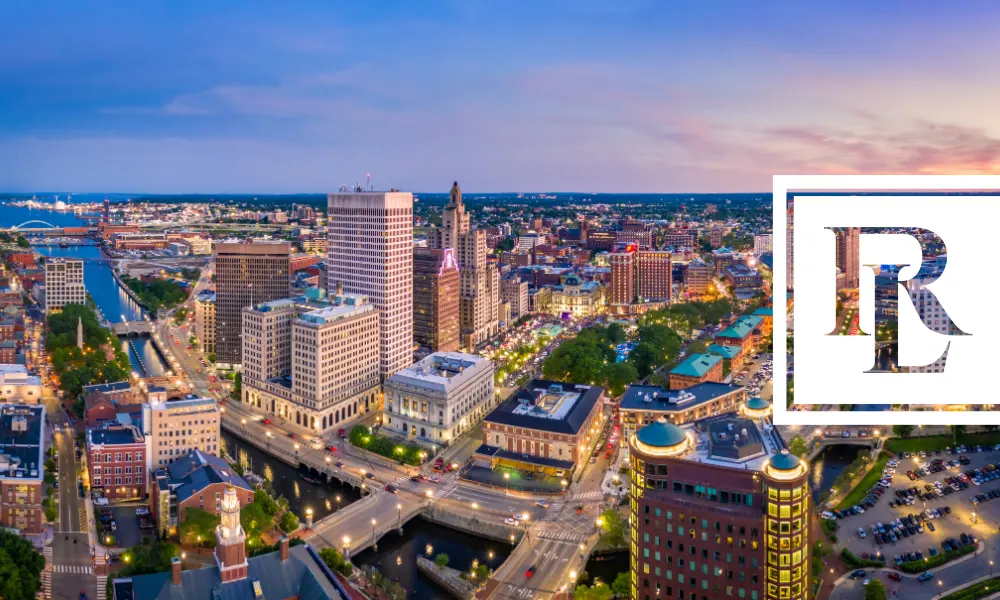
In 1997, Sweden took a unique approach to reducing vehicle accident injuries and deaths. Nearly thirty years later, the results are clear: their safety strategy, Vision Zero, was highly successful. So successful that the strategy has gained traction worldwide and across the United States. Alongside many other cities, Providence is investing millions to make its streets safer for the drivers, pedestrians, cyclists, and public transit users who use those streets daily. Providence is embracing many of the same principles found in Vision Zero programs across the country, with one that stands above the rest: designing streets in ways that reduce serious injuries and traffic fatalities. This federally funded initiative will be centered on the city’s Urban Trail Network.
But what exactly does all that mean, and how will it affect you as a resident of the city currently using those roads?
What Is Vision Zero?
Vision Zero is a transportation safety philosophy with the goal of eliminating traffic deaths and serious injuries. This approach recognizes that people are only human and will make mistakes, and sometimes those mistakes will occur while they are driving, walking, or biking. However, where most policies would rely solely on enforcement (such as increasing ticket fines) or education (such as campaigns warning about the dangers of distracted driving, speeding, or driving under the influence), Vision Zero relies on design. The initiative focuses on designing safer streets that can reduce the likelihood and severity of crashes. The goal of Vision Zero is to create transportation systems that protect all road users, particularly pedestrians and cyclists.
The name Vision Zero may not be familiar to some residents, though. Providence’s version of Vision Zero is partially funded through the federal Safe Streets for All (SS4A) grant, which led to some calling the initiative Safe Streets Providence. In early 2020, then-Mayor Jorge O. Elorza unveiled the plan under the name Great Streets Initiative and Urban Trail Network Master Plan, shortened to Great Streets. Depending on when a resident first heard of this plan, they may have heard it referred to by any of these names, but it is all the same basic idea: encouraging other forms of transportation besides driving and keeping everyone who uses the city streets safe.
Why Providence Is Taking Action
According to the Providence Safe Streets Plan from April 2025, 39 fatalities and more than 300 injuries occurred on Providence’s roads between 2019 and 2023. Providence has also experienced a significant number of crashes that involved pedestrians and cyclists. City leaders and transportation planners, including Mayor Brett Smiley and Ward 3 Councilwoman Sue Anderbois, believe safer street design can help reduce those incidents, particularly if that design makes biking, walking, and public transit more competitive with driving.
The effort is part of a broader initiative to improve mobility, connectivity, and quality of life throughout the city, including an Urban Trail Network, a “spine” of urban trails that would ultimately connect every Providence neighborhood. This would make it easier for residents to travel between the city’s 25 neighborhoods, without having to rely on driving.
The Urban Trail Network: Providence's Vision in Action
The centerpiece of Providence’s safety strategy is the Urban Trail Network. However, this network has more benefits than just safety. According to the grant agreement that partially funds the Vision Zero project, the network will also help to provide clean and efficient public transportation and infrastructure that encourages walking and riding bikes. This will all reduce carbon and co-pollutants in the city, particularly in areas with cumulative health effects. In other words, this safety initiative will also improve the health of residents and the environment.
The network will connect neighborhoods, employment centers, parks, schools, and cultural destinations. While many cities would create these trails as traditional recreational trails, Providence will focus on designing these trails as transportation corridors meant for everyday travel.
The network includes:
- Protected bike lanes
- Shared-use paths
- Neighborhood greenways
- Improved pedestrian infrastructure
- Safer intersections
The project began in 2024 and is expected to be completed by 2028, with a goal of eliminating all traffic deaths and serious injuries by 2030.
Who Is Paying for It?
Some residents aren’t aware of the Vision Zero plan, but many who are aware have concerns about the project’s funding. Federal funding covers much of the project’s implementation costs.
The funding for this project comes from several sources, including a $27.2 million federal grant through the Safe Streets and Roads for All (SS4A) program. This funding was made available through the Bipartisan Infrastructure Law (BIL). The program specifically funds projects designed to reduce roadway deaths and serious injuries. Another $6.8 million in local funds is earmarked for this project, bringing the total to $34 million to complete it, according to the grant agreement.
Where Will Improvements Be Made?
Between 2019 and 2023, 85% of all fatal and severe injury crashes in Providence occurred in the city’s disadvantaged communities, which make up 66% of the city. These are areas where residents face significant burdens in public health, housing, and transportation affordability. In other words, the people who can least afford to deal with a severe injury or the death of a loved one are the ones most often affected by these types of accidents. However, this also means those areas are the highest priority in Providence’s Safe Streets plan.
Safety improvements are planned throughout Providence, rather than in a single location. Existing urban trails may receive upgraded protective barriers and infrastructure, while new trails will be added. Major corridors identified for improvements include:
- Broadway
- Fountain Street and Greene Street
- Olneyville Square
- South Water Street
- Eagle Street, Atwells Avenue, and Harris Avenue intersections
The city is using its Safety Action Plan to target its efforts at the greatest opportunities to reduce severe crashes. They are using crash reports to target locations with known safety issues for pedestrians, cyclists, and drivers. However, they will also identify risk factors for severe crashes in areas where serious accidents have not yet occurred and take proactive action to prevent them from ever occurring.
What Changes Will Residents Actually See?
Understanding the goal behind the Vision Zero/Safe Streets for All plan, where the funding is coming from, and when the project is expected to be complete is all helpful, but what most people really want to know is: what’s going to change for them? What kind of construction can they expect, and what changes to their usual commute will ultimately need to be made, if any?
Many projects are either complete or under construction, and drivers may have already noticed changes. While the timing of these actions around the city isn’t set in stone, and the precise changes that can be expected will vary by location and the unique safety challenges each location faces, there are some general changes residents can expect to see.
Protected Bike Lanes
Existing bike lanes are often only separated from driving lanes by painted lines. To provide further protection, existing painted bike lanes may be upgraded with curbing or other protective features as the city seeks to use physical barriers to separate cyclists from vehicle traffic. The goal is to make cycling safer and more comfortable for riders of all ages.
Safer Intersections in the Providence Area
Intersections can be dangerous for many reasons, from dark crosswalks to lengthy pedestrian crossing distances to traffic signals that cycle too quickly or slowly. Dangerous intersections may be redesigned to shorten crossing distances or illuminate sidewalks and crosswalks more brightly at night. Traffic patterns may be adjusted to reduce conflict points both between cars and between cars, bikes, and pedestrians.
Traffic-Calming Measures
Research consistently shows that lower vehicle speeds reduce crash severity. Streets may be designed or redesigned to encourage slower driving speeds. Curb extensions and roadway redesigns can also improve visibility and safety.
Other examples of traffic-calming measures that could be implemented include technology such as dynamic message or speed-awareness signs, horizontal deflections such as roundabouts or raised medians, and vertical deflections such as speed bumps or edge-line rumble strips.
Why Supporters Believe the Project Matters
Supporters of this plan are eager to see change. They believe that the improvements will result in fewer traffic deaths and serious injuries. Supporters also believe that extending existing trails and creating new ones in the Urban Trail Network will improve connections between neighborhoods and offer more transportation options beyond driving. This can also increase accessibility for people of all ages and abilities.
There are also economic benefits from more walkable and bike-friendly corridors. Prior to the Great Streets initiative’s implementation, only 21% of Providence residents and 37% of jobs were within easy walking distance of the existing Urban Trail Network. When the project is complete, 93% of residents and 95% of jobs will be within easy walking distance of the improved network. This will make it more accessible to lower-income residents who cannot afford the costs of driving to find employment.
Concerns and Criticism of the Project
While the initiative has many supporters, it is not free from concern and criticism. Some residents are worried about traffic congestion, both while construction is happening and after these improvements have been established. Some improvements, such as reduced speeds or narrower street or lane widths, fuel these worries. Others have expressed concerns about reduced parking in areas that already have limited parking.
Questions have also been raised about project priorities and implementation timelines, regarding how long the project will take overall and how long individual areas will be under construction. Some critics also believe that infrastructure changes are not enough, and that enforcement and driver behavior should receive greater emphasis to create significant change.
How Does This Affect Personal Injury Claims?
Personal injury claims are a broad spectrum of potential accidents, including car accidents, slip and falls, dog bites, and nursing home abuse. There are many areas of personal injury claims that will not be impacted by Providence’s Vision Zero or Great Streets initiative. However, if the initiative is successful, the frequency and severity of vehicle accidents (including truck, bus, motorcycle, and rideshare accidents), bicycle accidents, and pedestrian accidents are expected to decline.