


Whether you are coping with injuries of your own from a transit bus crash or your child has been hurt in a school bus accident, you may be left shaken and unsure of what comes next. The physical and emotional impact can extend far beyond the moment of the collision.
Bus crashes also happen more often than many people realize. Based on data from the Federal Motor Carrier Safety Administration as compiled by TruckInfo.net, there are more than 13,000 bus accidents each year. About 51 percent involve injuries, and 1.3 percent result in fatalities.
Buses present unique safety risks because most do not have seat belts, and their high center of gravity increases the risk of severe injuries during sudden stops, sharp turns, or rollovers. When a crash happens, passengers can be thrown into seats, poles, windows, or other riders.
Understanding the common injuries resulting from bus accidents can help you recognize warning signs and understand why seeking medical care promptly is crucial.
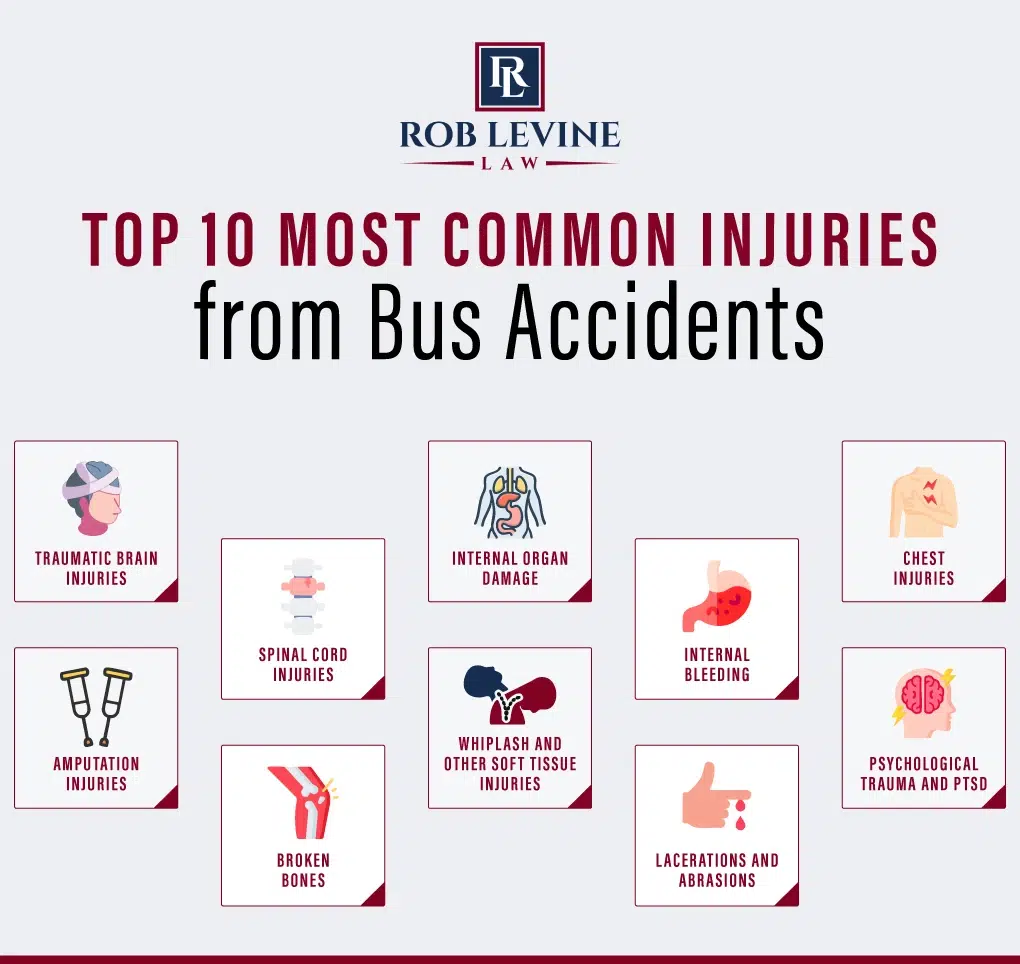
Traumatic Brain Injuries
A traumatic brain injury, or TBI, occurs when a sudden impact causes a violent blow or jolt to the head, resulting in the disruption of normal brain function. In bus accidents, TBIs are more likely because passengers are often unrestrained and surrounded by hard surfaces. Sudden braking, sharp turns, or collisions can cause the head to strike seats, poles, windows, or other interior structures, even when the bus itself is not severely damaged. These injuries may range from mild concussions to serious brain trauma involving bleeding or swelling.
Symptoms to watch for include:
- Head pain or pressure
- Dizziness or nausea
- Confusion or memory problems
- Sensitivity to light or sound
- Mood or sleep changes
Spinal Cord Injuries
A spinal cord injury happens when trauma damages the spinal cord or surrounding nerves, interfering with communication between the brain and the body. Bus accidents can increase the risk to passengers because forceful movements may twist, compress, or crush the spine against the seats or the floor. Severe crashes such as rollovers or side impacts can result in long-term or permanent impairment, especially for children riding school buses who may lack adequate support or protection.
Common symptoms include the following:
- Weakness or paralysis
- Numbness or tingling
- Severe neck or back pain
- Loss of coordination
- Bladder or bowel changes
- Breathing difficulty
Internal Organ Damage
Internal organ failure or damage occurs when blunt force trauma harms organs such as the kidneys, liver, spleen, or intestines. In a bus accident, this can happen when a passenger is violently thrown forward or sideways during a collision, causing their body to strike a seat, wall, or other hard surface. These injuries are especially serious because they are not always immediately visible and may worsen rapidly without prompt medical care.
Symptoms may include:
- Abdominal pain or swelling
- Nausea or vomiting
- Bruising on the torso
- Dizziness or weakness
- Pain that worsens over time
Internal Bleeding
Internal bleeding occurs when blood vessels rupture within the body, allowing blood to accumulate in tissues or cavities. During a bus crash, the force of impact can cause a passenger to collide with metal poles, seat frames, or other fixed structures, leading to internal bleeding even when there are no external wounds. This condition can quickly become life-threatening and requires immediate medical attention.
Look out for the following symptoms:
- Pale or clammy skin
- Rapid heartbeat
- Shortness of breath
- Fainting or confusion
Chest Injuries
Chest injuries involve damage to the ribs, lungs, heart, or surrounding structures. In a bus accident, passengers may suffer chest trauma when their upper body strikes an armrest, seat back, or window during a sudden stop or collision. These injuries can range from bruised ribs to punctured lungs and may interfere with breathing or heart function.
Symptoms to watch for include:
- Chest pain
- Pain with breathing
- Visible bruising
- Shallow breathing
Amputation Injuries
Amputation injuries involve the partial or complete loss of a limb due to severe trauma. In catastrophic bus accidents, the extreme force of impact can trap a passenger’s arm or leg between rigid structures like seats, frames, or the bus wall. When crushing injuries damage blood vessels, nerves, and bone beyond repair, emergency medical teams may have no option other than surgical amputation to prevent life-threatening complications such as infection or uncontrolled bleeding.
Symptoms of injuries that require amputations commonly include the following:
- Severe bleeding
- Loss of sensation
- Extreme pain or shock
- Visible tissue damage
Broken Bones
Broken bones, or fractures, occur when a strong impact causes a bone to crack or break. During bus crashes, unrestrained passengers may be thrown to the floor or against hard surfaces. Sudden stops or collisions can generate enough force to fracture arms, legs, ribs, or hips, sometimes requiring surgical realignment or long-term immobilization.
Symptoms of fractures include:
- Sharp or worsening pain
- Swelling or bruising
- Limited movement
- Pain with weight bearing
Whiplash and Other Soft Tissue Injuries
Whiplash and soft tissue injuries affect muscles, ligaments, and tendons, most commonly in the neck and upper back. When a bus stops abruptly to avoid a collision, the head and neck can snap forward and backward with force. This rapid motion strains soft tissues and can lead to pain that lingers long after the crash, even in the absence of visible injuries.
Symptoms to watch for include:
- Neck stiffness
- Reduced range of motion
- Headaches
- Shoulder or upper back pain
- Fatigue or dizziness
Lacerations and Abrasions
Lacerations are deep cuts or tears in the skin, while abrasions are surface scrapes caused by friction. In side impact bus crashes, passengers can be thrown against windows, poles, or other interior surfaces. Broken glass and sharp edges may cause cuts, while contact with rough materials can result in painful scrapes, particularly for children riding school buses.
Common symptoms include the following:
- Open or bleeding wounds
- Skin redness or swelling
- Pain at the injury site
- Signs of infection
Psychological Trauma and PTSD
Psychological trauma, including post-traumatic stress disorder or PTSD, can develop after experiencing or witnessing a serious bus accident. Children and adults alike may struggle emotionally after seeing injuries, hearing the crash, or fearing for their safety. These injuries are not visible, but they can have long-lasting effects on mental health, behavior, and daily functioning.
Symptoms to watch for include:
- Nightmares or flashbacks
- Anxiety or fear
- Avoidance behaviors
- Mood changes
Rob Levine Law Is Here To Advocate for You After a Bus Accident
Many people are unsure of what to do after a bus accident, especially when injuries are not immediately obvious or when symptoms develop hours or even days later. After any bus crash, your health should always be your top priority. Even injuries that seem minor at the scene can worsen over time, particularly internal injuries, head trauma, or psychological effects. Seeking prompt medical care after a bus accident is critical not only for your recovery but also for creating the medical documentation that protects your rights if you pursue a claim.
Once your immediate medical needs are addressed, put the New England bus accident lawyers at Rob Levine Law to work for you. Bus accident cases are often complex and may involve multiple parties, including bus companies, government entities, or insurance carriers. Our team works to investigate what happened, gather evidence, and pursue the full amount of damages from the bus accident to which you may be entitled, including medical expenses, lost income, pain and suffering, and future care needs.
Rob Levine Law is available 24/7. Call (888) 791-9135 or contact us online today for a free consultation.